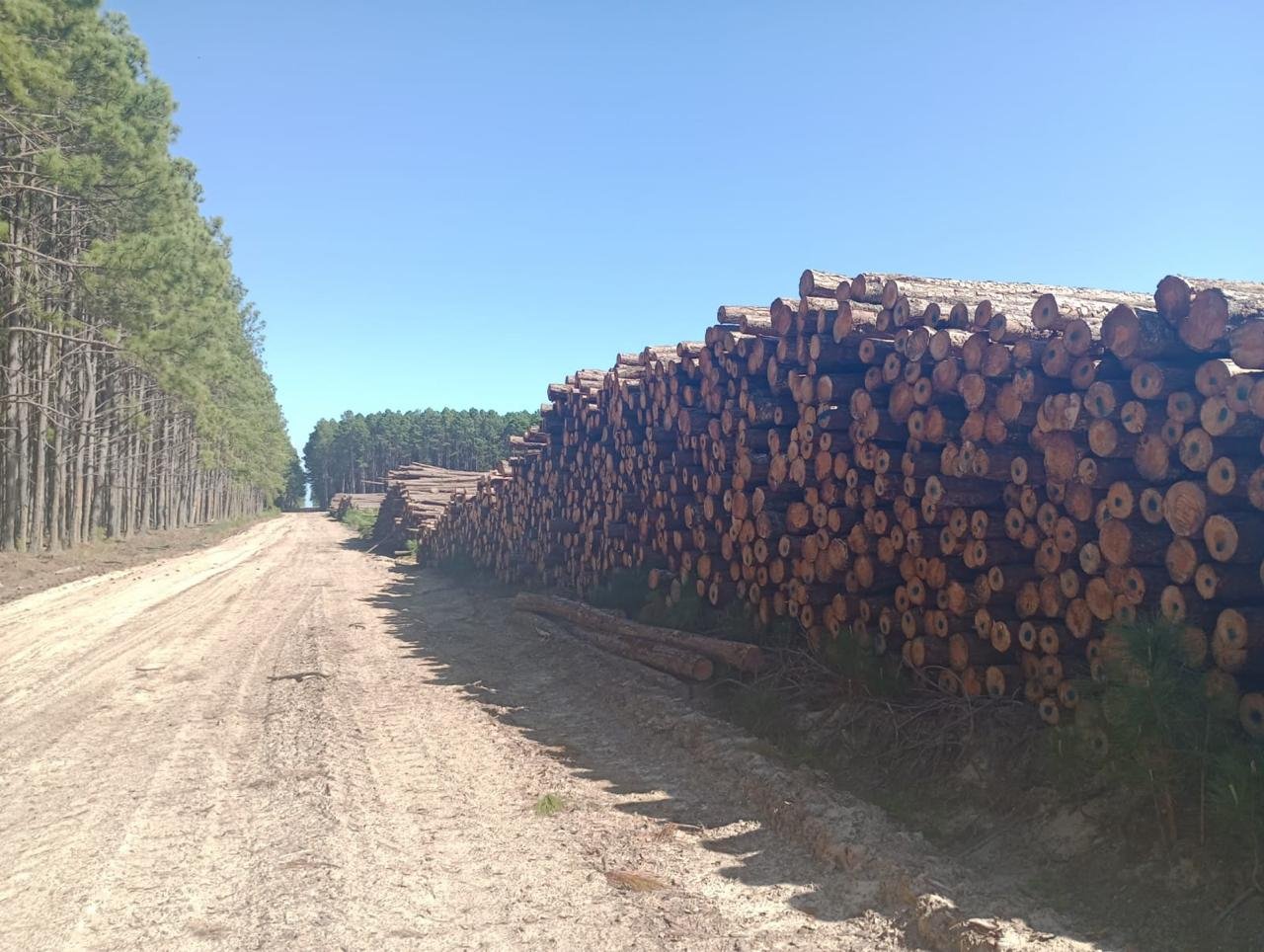
The global wood market, essential for various sectors such as construction, paper, furniture, and packaging, continues to evolve in 2024, driven by changes in consumption patterns, technological innovations, and growing environmental concerns. Below, we explore the main trends that will shape this sector throughout the year.
1. Growth in Demand for Sustainable Construction
With the adoption of more sustainable practices, wood is becoming a viable alternative to concrete and steel in construction. Architects and engineers are increasingly using engineered wood, such as CLT (Cross-Laminated Timber), due to its ability to reduce carbon emissions. In 2024, a significant increase in wood building projects is expected, especially in Europe and North America, where government policies are encouraging environmentally responsible construction.
2. Expansion of Emerging Markets
Countries like China and India continue to be the biggest drivers of wood demand. Accelerated urbanization and the growing middle class are driving the consumption of wood products, especially furniture and construction materials. However, these markets are also prioritizing suppliers who can meet strict sustainability standards.
"Technology is transforming the way we produce and market wood, making the process more efficient and sustainable."
3. Advances in Processing Technology
Innovation in the wood processing sector is reducing waste and increasing efficiency. Machines equipped with artificial intelligence and advanced sensors are optimizing log cutting and utilization, resulting in higher productivity and lower environmental impact. In 2024, more companies will adopt these technologies to meet the global demand for high-quality products.
4. Focus on Certification and Sustainability
The pressure for transparent supply chains is leading companies to invest in certifications such as FSC (Forest Stewardship Council) and PEFC (Programme for the Endorsement of Forest Certification). These certifications ensure that the wood was harvested responsibly, meeting social, economic, and environmental criteria. In 2024, international buyers are expected to prioritize suppliers with these seals, which can create challenges and opportunities for producers in developing countries.
5. Fluctuations in International Trade
Geopolitical tensions and economic fluctuations are impacting the international wood trade. While traditional markets, such as the United States and Europe, remain relevant, tariff policies and logistical costs are changing the export landscape. Exporting countries like Brazil, Canada, and Russia need to adapt their strategies to remain competitive.
6. Demand for Pine Products
Pine, widely used for furniture, packaging, and paper production, remains a highlight in the global market in 2024. The abundance of this species, coupled with its rapid regeneration, makes it an economically and environmentally viable choice. Brazil, as one of the largest producers, is well-positioned to take advantage of this trend, especially with the increase in exports to Asian markets.
7. Digitalization and Supply Chain Monitoring
Digitalization is transforming supply chain management. Technologies such as blockchain and IoT (Internet of Things) are being used to track the origin of wood and ensure its authenticity. In 2024, companies that invest in these technologies will be better positioned to capture demanding markets.
Conclusion
The global wood market in 2024 will be marked by a growing pursuit of sustainability, innovation, and efficiency.
Exporting countries, such as Brazil, have the opportunity to stand out in this scenario, provided they invest in responsible practices
and adopt new technologies. Integrating environmental and social demands into the business model will be essential to ensure
success in an increasingly competitive market.
Whether you are a producer, exporter, or buyer, staying aware of these trends is crucial to successfully navigate
the dynamic global wood market.